-
9 Reasons Why You’re Always Tired
Feeling tired all the time is more than just being sleepy—it’s your body signaling that something’s off. Fatigue signals that not only does your body feel a physical toll, but there is significant psychological stress involved as well. Due to its multifaceted nature, scientists note that fatigue can come from lifestyle habits, mental health, medical…
-
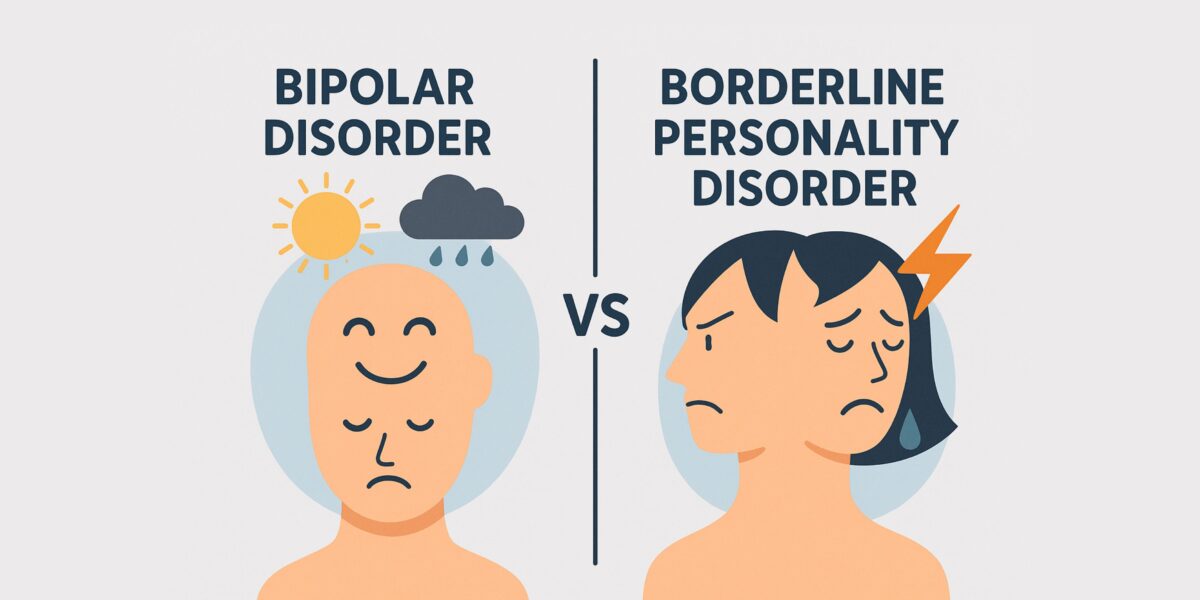
Bipolar vs. Borderline Personality Disorder: What’s the Difference?
Borderline personality disorder was named as such because certain patients with symptoms similar to psychosis and mania seemed to be right on the borderline of other conditions as well. But they did not fit the diagnosis of either schizophrenia or bipolar disorder. This shows us how certain mental conditions might initially appear to be very…
-

Empathy vs Sympathy
Why This Difference Matters You’re going through something heavy. A breakup, burnout, grief—doesn’t matter what. And someone, probably well-meaning, says, “At least it’s not worse,” or “Everything happens for a reason.” You nod politely… but deep down, it stings. You don’t feel seen. You definitely don’t feel comforted. And now, on top of the pain,…
-

How to Let Go of Things from the Past
Letting go doesn’t start with moving on it starts with being honest about what still hurts. And that’s not always easy.Sometimes, you’re not even sure what you’re holding onto. You just feel the weight of something a memory, a conversation, a version of yourself sitting quietly in the background of your life. It might be…
-
6 Signs Someone Is Manipulating You
Not all heartbreak comes with yelling, slammed doors, or big betrayals. Sometimes, love doesn’t break you loudly. It just… wears you down quietly. It sneaks in quietly, in the form of second-guessing your tone, apologizing when you’re the one who is hurting, or gradually giving up small parts of yourself to keep the peace. And…
-
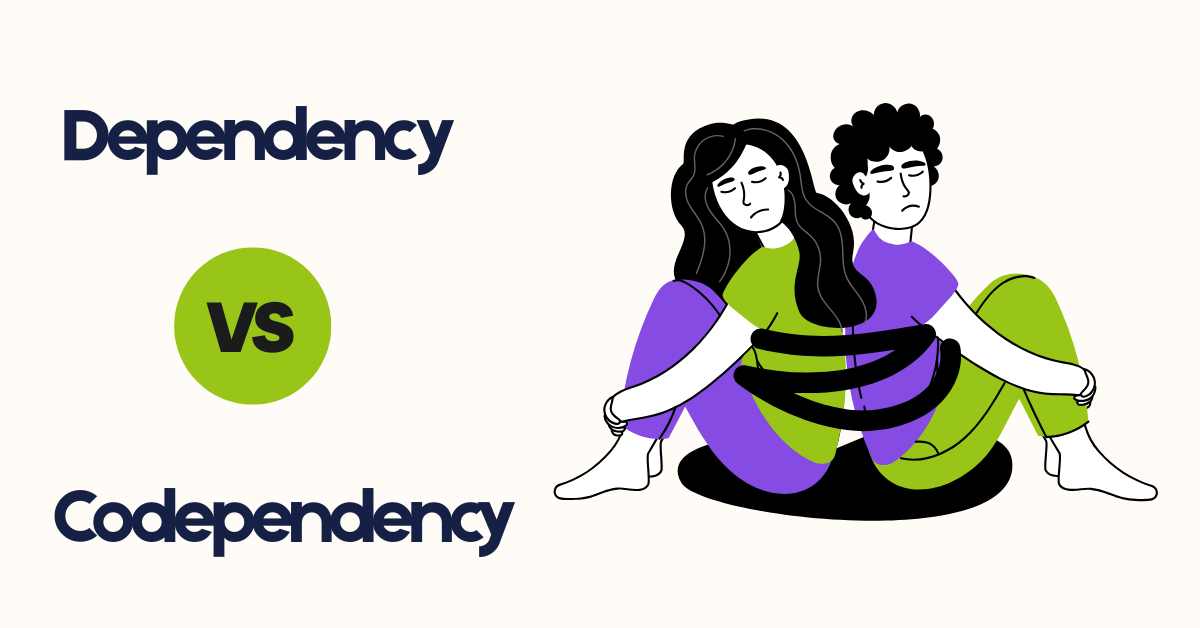
The Difference Between Dependency and Codependency
It’s okay to need someone. Really. Not in a clingy way. Not in a “you complete me” fairytale way. Just… in a raw, human way. In the “life feels lighter when you’re not carrying it alone” kind of way. Somewhere along the line, needing others got rebranded as weakness. As if asking for help makes…
-
The Architecture of Awareness: Solving the Hard Problem Through Inevitable Emergence
For decades, the “hard problem” of consciousness has remained a mystery. Psychology and cognitive science have progressed, but the mechanics of consciousness still seem to elude us. After all, it is not easy to answer how physical matter could give rise to subjective experience. In The Architecture of Awareness: Decoding Consciousness, Charles R.W. Sears argues…
-
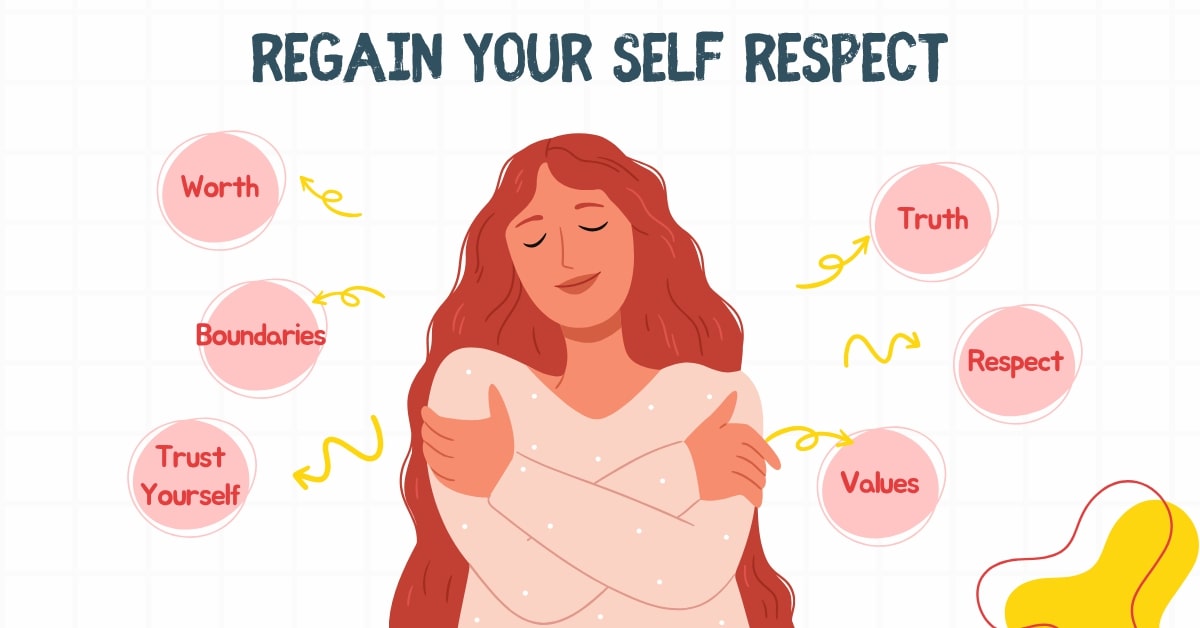
How to Regain Your Self-Respect and Why It Matters
What Is Self-Respect, really? Self-respect is how you treat yourself when no one else is around to clap for it. It’s the decisions you make when no one is watching.It’s how you talk to yourself after you mess up.It’s what you allow, what you walk away from, and what you no longer explain to people…
-
Main Character Syndrome vs. Narcissism: What’s the Difference?
In the digital age, it is likely that many concepts around self-expression and empowerment could be compared to narcissism. The main character syndrome is one such concept. Despite being associated with social media content creators, the main character syndrome can also be found in people in all walks of life. Imagine a person using their…
-

10 Scientifically Backed Signs of ADHD in Adults
ADHD, or Attention-Deficit/Hyperactivity Disorder, has long been associated with children who are unable to sit still or concentrate. In reality, however, ADHD frequently lingers into adulthood. The signs in adulthood also appear to be quite different in various contexts. As a result, it becomes more difficult to diagnose. So, in this article, I will attempt…
-
Does Body Count Affect Relationships?
In today’s society, casual sex is no longer as big of a taboo as it once was. As a result, there seems to be greater acceptance towards it. Moreover, various sexual terms have also entered common speak. Nevertheless, the actual act of intercourse is still divisive. An example here is of the taboo around kinks…
-

10 Signs of High-Functioning Autism in Women
Ever met a woman who overthinks every text, avoids eye contact like it’s cursed, and has a mini existential crisis when someone moves her coffee mug an inch to the left? But like, she still shows up looking like she’s got it all together? Yeah… plot twist: she’s not high-maintenance, dramatic, or “just anxious.” She…
 Psychologus